Tone of

Tone of

Voice

Voice

Brand Voice

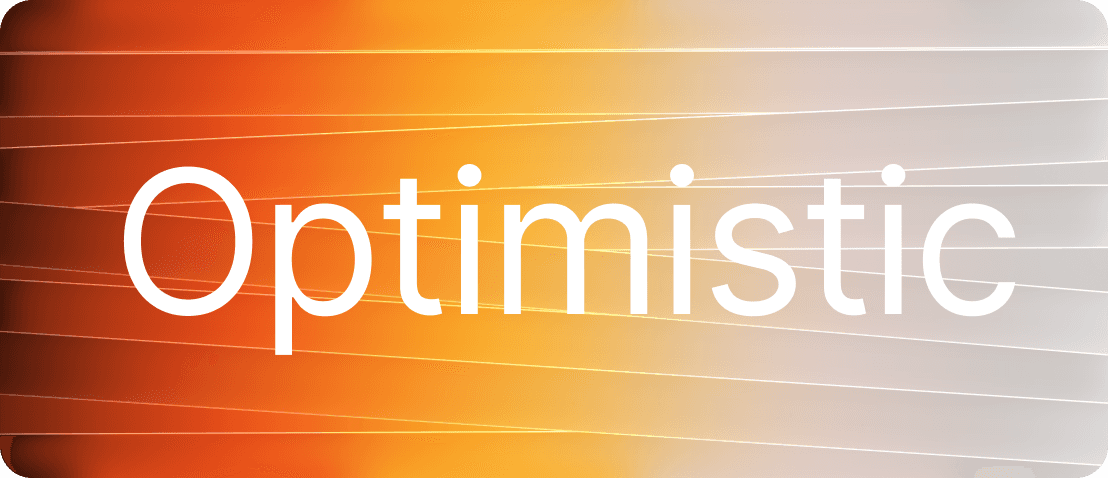
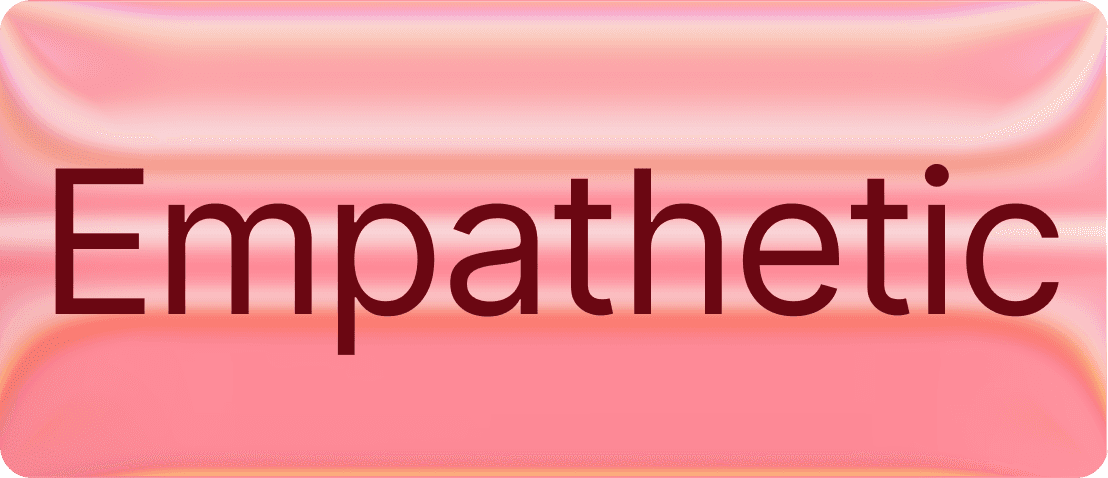
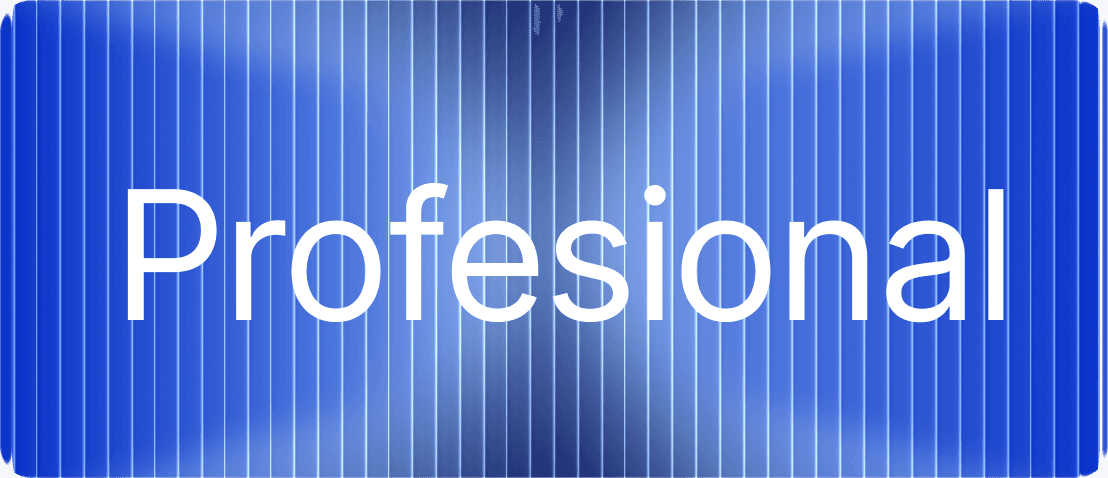
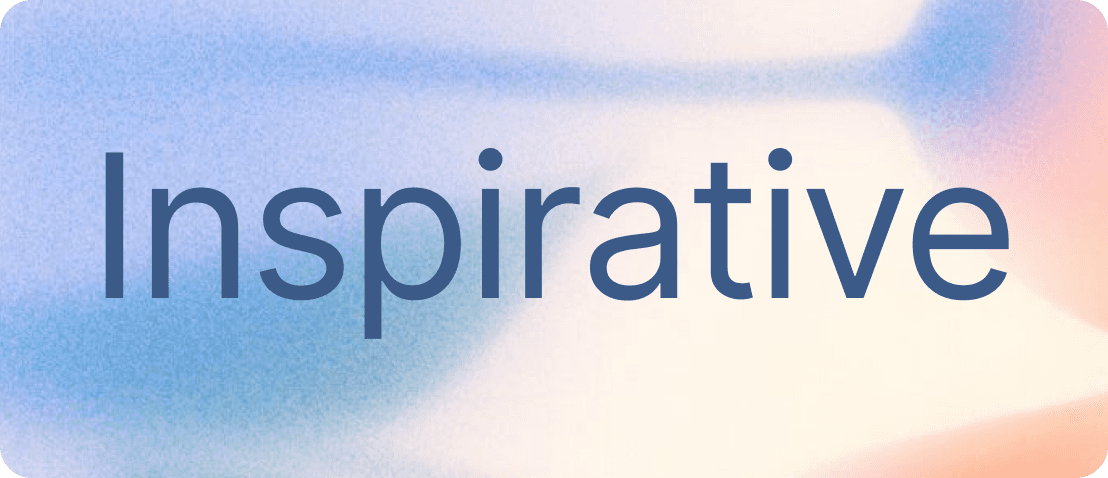
We define four core keywords that shape our tone of voice and bring Dicoding to life.
Brand Writing

Note about writing

Brand writing is the voice Dicoding uses when speaking to a broad audience. It represents who we are to the public and helps shape how our brand is perceived. This voice is used primarily in external-facing channels such as our website, marketing campaigns, and social media.

At the same time, Dicoding communicates in many different contexts. Some types of writing, such as long-form articles, learning materials, documentation, partner communications, or official announcements, may require a more specific tone or structure, while still staying aligned with our brand principles.

Brand Headlines

This is a sample of brand headlines designed to capture attention at a glance. 


Each headline reflects who Dicoding is, what we do, and the impact we aim to create through learning, technology, and community.

Bangun Karier sebagai Talenta Digital 

Mulai dari Nol hingga Expert

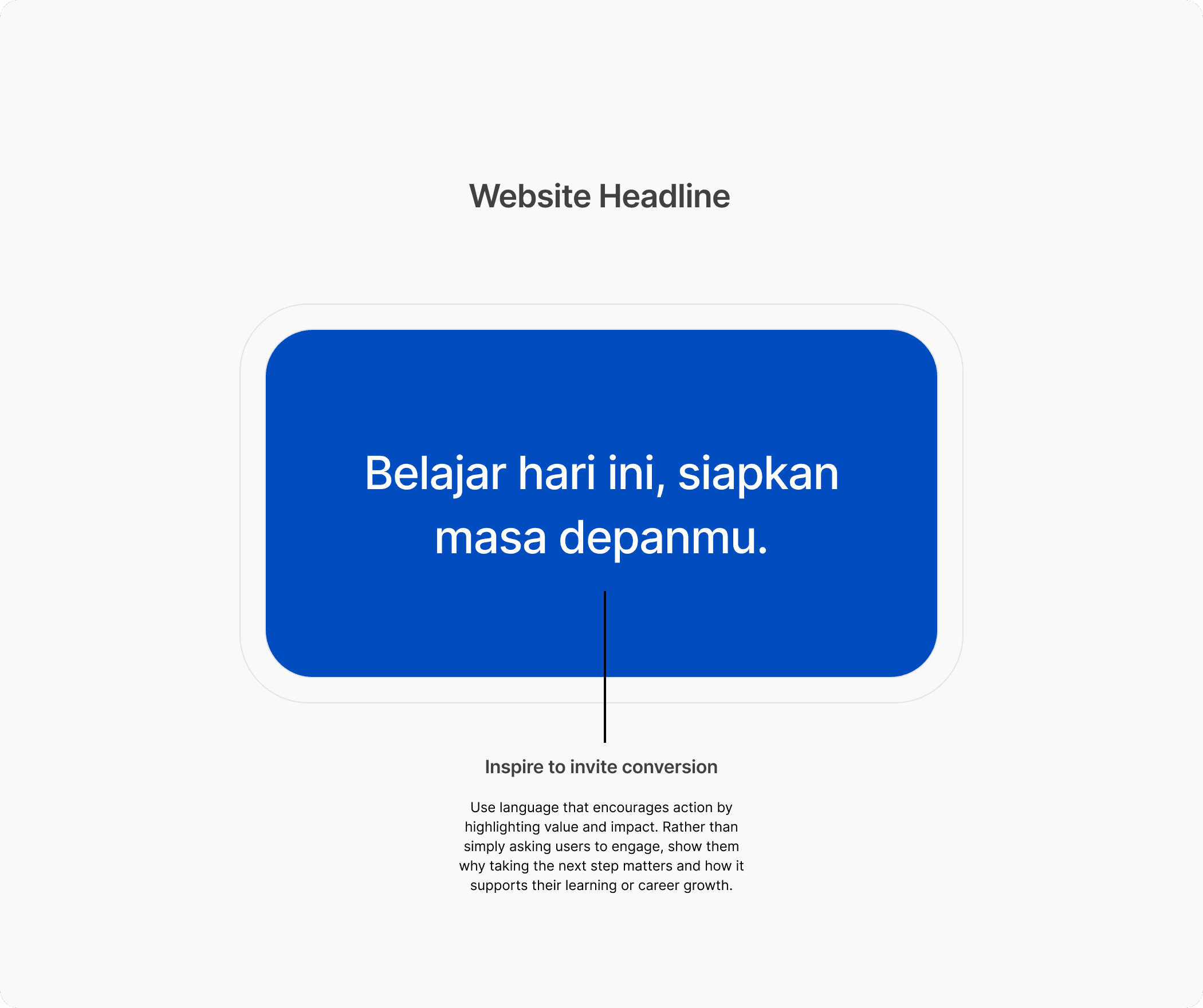
Belajar hari ini, siapkan masa depanmu.

Bangun karier digitalmu, 

selangkah demi selangkah.

Tips for writing at Dicoding

Write like a human

Write like a human

Write as if you are speaking to another person, not reading from a rulebook. Use clear, natural language that feels approachable while remaining accurate and professional.


If a sentence sounds stiff or overly formal, read it out loud. If it doesn’t sound natural when spoken, it probably needs to be simplified.

Write as if you are speaking to another person, not reading from a rulebook. Use clear, natural language that feels approachable while remaining accurate and professional.


If a sentence sounds stiff or overly formal, read it out loud. If it doesn’t sound natural when spoken, it probably needs to be simplified.

Choose clarity over complexity

Choose clarity over complexity

Use the clearest words available, not the most impressive ones. Avoid long, layered sentences, unnecessary jargon, or wordplay that risks confusing the reader.

If you can communicate the same message in fewer words without losing meaning, do so.

Use the clearest words available, not the most impressive ones. Avoid long, layered sentences, unnecessary jargon, or wordplay that risks confusing the reader.

If you can communicate the same message in fewer words without losing meaning, do so.

Respect the reader’s time

Respect the reader’s time

Dicoding’s audience consists of learners who are often busy. Once you have their attention, make sure your message gets to the point quickly.

Use short paragraphs, clear structure, and informative headings so readers can understand your message at a glance.

Dicoding’s audience consists of learners who are often busy. Once you have their attention, make sure your message gets to the point quickly.

Use short paragraphs, clear structure, and informative headings so readers can understand your message at a glance.

Adjust your tone to the context

Adjust your tone to the context

Dicoding communicates in many contexts from education and product communication to community updates and campaigns. Always adjust your tone to fit the situation and audience.
Learning content should feel calm and clear. Promotional content can be more energetic. Both should remain professional, supportive, and easy to understand.

Dicoding communicates in many contexts from education and product communication to community updates and campaigns. Always adjust your tone to fit the situation and audience.
Learning content should feel calm and clear. Promotional content can be more energetic. Both should remain professional, supportive, and easy to understand.

Use Indonesian first, English when needed

Use Indonesian first, English when needed

Indonesian is the primary language of Dicoding communication. Use proper Indonesian spelling and grammar as your foundation.

English terms are acceptable, especially in technology contexts, but should be used consistently, intentionally, and only when they improve clarity.

Indonesian is the primary language of Dicoding communication. Use proper Indonesian spelling and grammar as your foundation.

English terms are acceptable, especially in technology contexts, but should be used consistently, intentionally, and only when they improve clarity.

Emphasize key points with intention

Emphasize key points with intention

Use bold text to highlight key ideas or important information. Avoid overusing emphasis, as too much highlighting makes it harder for readers to focus. Let structure and flow do most of the work.

Use bold text to highlight key ideas or important information. Avoid overusing emphasis, as too much highlighting makes it harder for readers to focus. Let structure and flow do most of the work.

Stay optimistic, even in difficult messages

Stay optimistic, even in difficult messages

Dicoding communicates with an optimistic and solution-oriented mindset. When sharing limitations, changes, or uncomfortable information, choose language that is clear, positive, and helpful.

Optimism doesn’t mean avoiding problems, it means showing readiness to learn and improve.

Dicoding communicates with an optimistic and solution-oriented mindset. When sharing limitations, changes, or uncomfortable information, choose language that is clear, positive, and helpful.

Optimism doesn’t mean avoiding problems, it means showing readiness to learn and improve.

Consistency builds trust

Consistency builds trust

Apply consistent spelling, capitalization, punctuation, and formatting across all content. 


Consistency makes writing feel polished, reliable, and reinforces Dicoding’s brand voice.

Apply consistent spelling, capitalization, punctuation, and formatting across all content. 


Consistency makes writing feel polished, reliable, and reinforces Dicoding’s brand voice.

Example
Tone of Voice

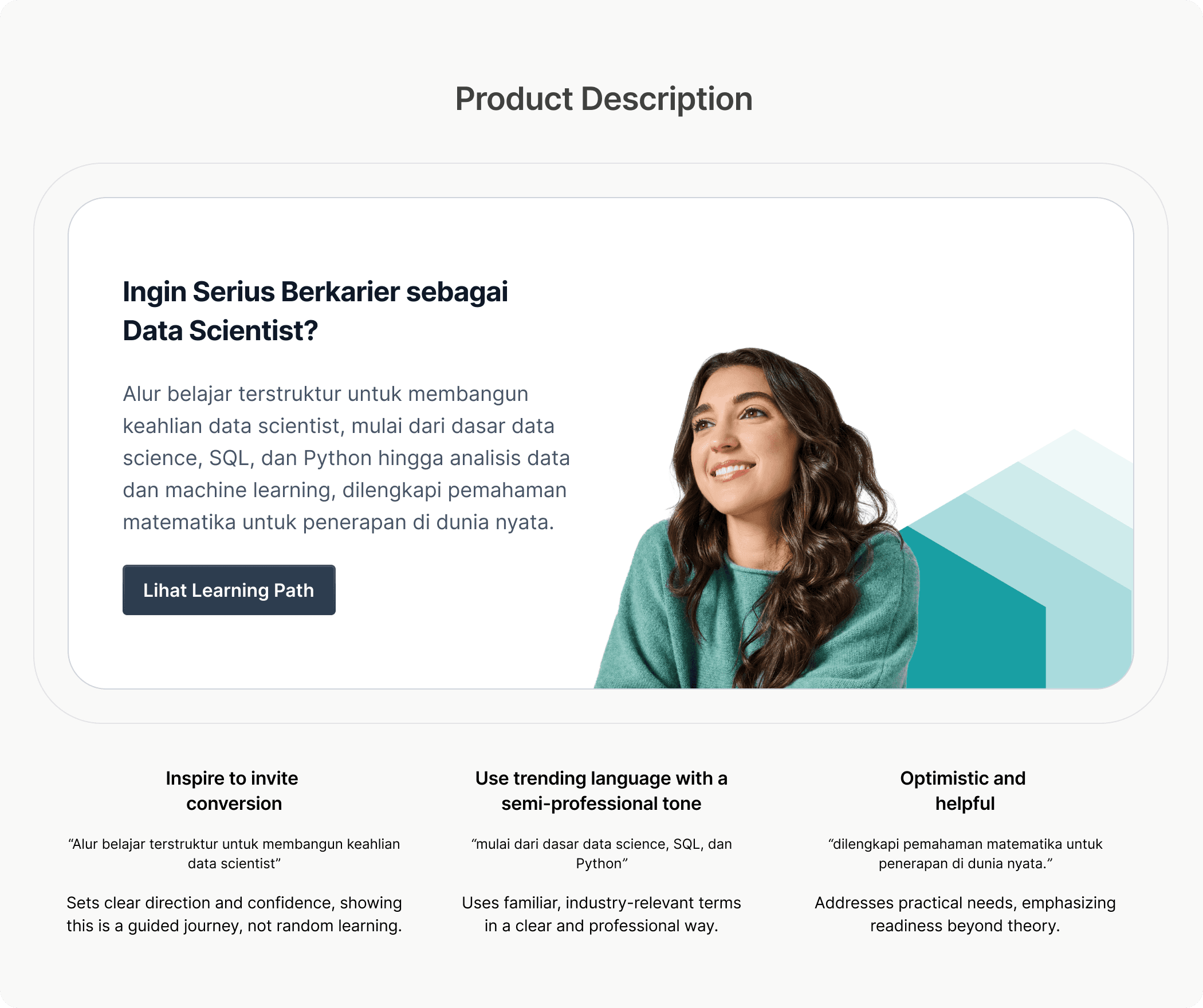
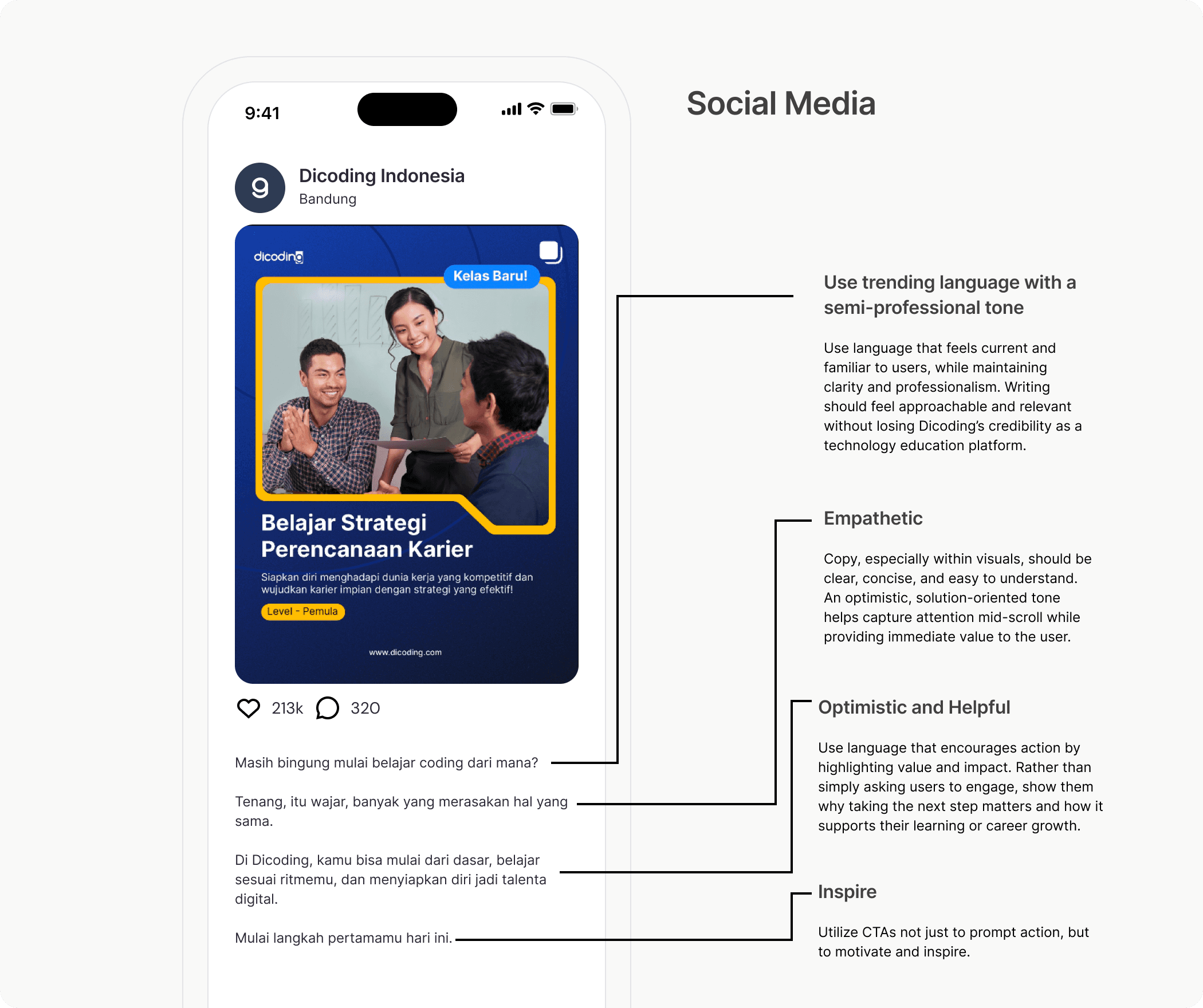
While Dicoding’s voice remains consistent, the tone may vary depending on context and audience. The examples below illustrate how we adapt our tone while staying true to our brand values.
Back

Next

These guidelines were crafted by the Creative at Dicoding

A collective of designers, writers, and engineers dedicated to ensuring a seamless and impactful experience across our entire developer ecosystem. We are the guardians of the Dicoding identity, ensuring that every touchpoint, from our learning platform to our community events, reflects our commitment to elevating Indonesia’s tech talent with clarity, authority, and innovation.

Contact Us

design@dicoding.com

design@dicoding.com